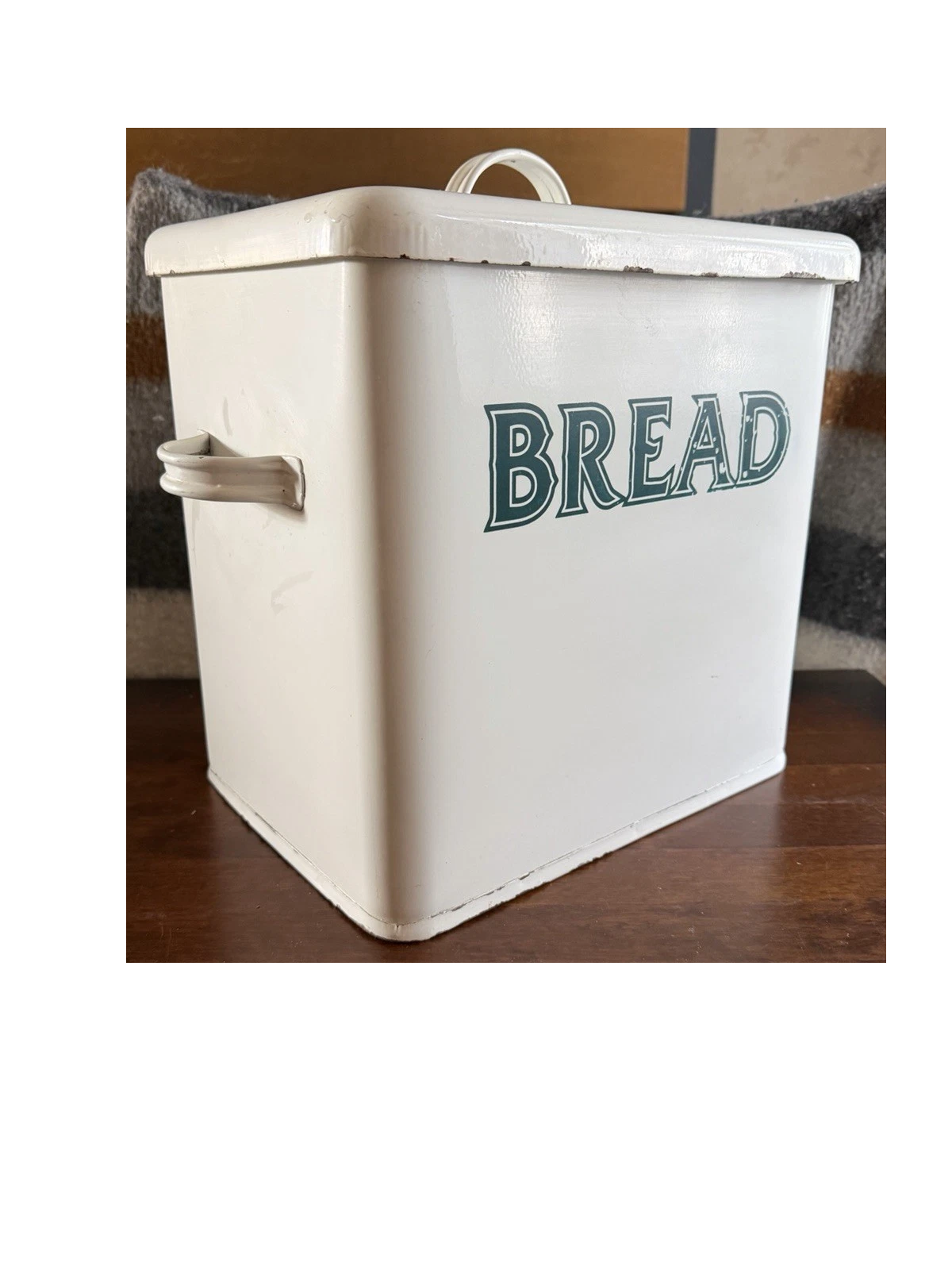
 My grandma’s white enamel bread bin was huge. Bread was often homemade or bought as a whole unsliced loaf wrapped in paper. Cakes, buns, and biscuits were baked regularly and stored there too, also wrapped in paper. In the early 1970s, when I was a lass, crumpets were a favourite in my grandparents’ home and were toasted on a copper toasting fork by the fire, along with slices of toast.Once a month, Grandma emptied the bread bin, shook the crumbs into the sink, and “steeped” it with boiling water from the kettle and white vinegar. At the time, I did not fully understand what she meant by “steeping” the bread bin or why she used vinegar, she also used it to make pickled onions, beetroot, cabbage, and mint sauce.
I learned much later that vinegar was a common household cleaner. Having been in service in the 1920s, Grandma relied on the same simple ingredients people used then, especially vinegar and bicarbonate of soda, and she continued to clean that way throughout her life.
Vinegar is a natural disinfectant, its acidity helps kill mould and prevent it from returning. Despite its own strong smell, it also neutralises odours, so it would have removed any yeasty or musty smells from the bread bin. Homemade bread, without artificial preservatives, was especially vulnerable to mould, and even modern bread can turn before its best-before date. Looking back, it makes perfect sense that she cleaned the bread bin with vinegar and left it to dry naturally in front of the coal fire.
I can’t think of anything safer to clean a bread bin with.